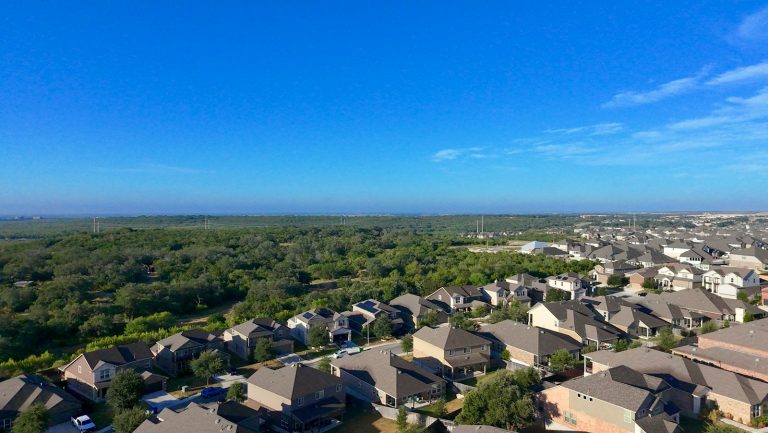
Dripping Springs can look like an easy decision when you’re visiting for the weekend.
You see the hills, tour a home with a bigger backyard, grab lunch, and start picturing your life out here. Then Monday arrives, and that same location has to work for your commute, grocery run, school schedule, and monthly budget.
That’s where I’d start if you’re thinking about moving to Dripping Springs. Before we pick a neighborhood, let’s figure out what your regular week needs to look like.
The home search also deserves a closer look at ownership costs. Two houses with similar prices can come with different tax bills, association fees, utility arrangements, and maintenance responsibilities.
Here’s how I’d work through those decisions before buying.
Start by defining what “Dripping Springs” means for your search
When someone tells me they want to live in Dripping Springs, my first question is where they’ve been looking.
The city, the surrounding housing market, the school district, and the area people casually call Dripping Springs cover different ground. Even the district’s school directory includes campuses with Austin and Driftwood addresses. A mailing address alone won’t settle the questions that matter to your purchase.
For each property, establish the actual jurisdiction, school assignment, utility providers, and travel routes.
This becomes especially helpful when you start comparing a home close to central Dripping Springs with one farther along the corridor toward Austin. Both might show up in your search, while giving you very different daily routines.
Make a short list of the places you’ll regularly visit. Include your office, grocery store, gym, medical appointments, and any schools or activities relevant to your household. Use that list to narrow the map before narrowing the floor plans.
What does it cost to buy a home in Dripping Springs?
As of November 20, 2026, Redfin’s Dripping Springs city market page reported a median sale price of approximately $466,000 over the three months ending October 2026, down 4.3% from the comparable period a year earlier. It also reported an average of 126 days on market. Those figures describe Redfin’s city-level dataset across home types. They don’t establish the price of a particular neighborhood, acreage property, or home within the broader school district.
I’d use that number as orientation, then build a budget around the homes you’d actually consider.
A smaller home on a subdivision lot and a custom home with acreage belong in separate comparisons. The same goes for a finished resale and a builder’s advertised starting price.
When you find a property you like, compare it with recent sales that share its location, size, age, lot characteristics, and condition. Then look at the homes competing with it today.
Longer marketing times can create room for negotiation, but the offer still needs to reflect that property’s circumstances. A seller who has already adjusted the price may respond differently from one who just listed.
For new construction, ask for a written estimate that includes the lot, selected finishes, structural options, and expected closing costs. Have your lender evaluate any financing incentive alongside the complete purchase terms.
The model home is excellent at making you forget which features cost extra.
Compare neighborhoods around the life you want
You’ll get more out of a neighborhood tour if you arrive with specific questions.
Caliterra, for example, describes a community built around Onion Creek, trails, green space, and a private community pool. Its location puts historic downtown Dripping Springs nearby. Those features give you concrete things to investigate during a visit, including trail access from the actual house and the route into town. Source · Source
Other names you may encounter in a broader area search include Headwaters, Belterra, Founders Ridge, and Bunker Ranch. Treat each as a starting point for property research. Check the specific phase, lot, restrictions, and surrounding development before drawing conclusions from the neighborhood name. These communities appear in local neighborhood resources and city development records. Source · Source
Use a comparison like this as you tour.
| What you want | What to investigate |
| Community amenities | Existing facilities, access rules, fees, and walking distance from the house |
| A larger lot | Usable land, slope, drainage, trees, fencing, and maintenance |
| Access to Austin | Time from the driveway to your destination during your actual travel hours |
| Convenience to town | Routes to groceries, appointments, restaurants, and regular errands |
| A new home | Completed price, nearby construction, warranty terms, and inspection opportunities |
| Space for future projects | Deed restrictions, easements, setbacks, utilities, and approval requirements |
Walk the lot, too. A yard can look spacious from a back porch while offering less usable space than you expected.
Test the commute before committing
A map estimate is a starting point for your commute research.
For trips toward Austin, investigate the US 290 corridor and the connections needed to reach your actual destination. Someone driving downtown has a different trip from someone heading to an office in another part of the metro.
I’d avoid building your buying decision around a single promised commute time. Your neighborhood entrance, departure time, destination, traffic, and road conditions all affect the trip.
If you’re visiting from out of town, spend part of a weekday testing it. Leave from a home or neighborhood you’re seriously considering and drive to your workplace at the time you’d normally travel. Repeat the return trip.
Also test the shorter drives. How does the route to groceries feel? Can you comfortably turn onto the main road? How much driving does an ordinary afternoon require?
If your job is hybrid, think through the possibility of additional office days. A commute you’re comfortable making once a week deserves another look if it becomes four days.
Verify schools using the exact address
If school assignment matters to your move, check it directly with Dripping Springs ISD.
The district provides an attendance-zone page and an interactive map that allows address searches. Use those resources for each home you’re considering, then confirm unresolved questions with the district. Source · Source
Attendance boundaries can change. DSISD implemented new elementary and middle school zones for the 2025–2026 school year alongside campus changes. An older listing or neighborhood brochure may therefore give you outdated information. Source
Look beyond the campus name. Review programs, transportation, enrollment requirements, and any services your household needs. District and state resources can help you ask more specific questions.
I’d make school verification a step in the property search before an offer, especially when a listing’s school information influences your decision.
Calculate the full cost of ownership
Your monthly housing budget should include more than principal and interest.
In Texas, property taxes are locally assessed and administered. The applicable taxing entities and available exemptions affect the bill. The Texas Comptroller directs property-specific questions to the local appraisal district or tax assessor-collector. Source · Source
Ask for a property-specific estimate based on your expected ownership situation. Review the seller’s existing exemptions with your lender and the appropriate local office before using the current tax bill in your budget.
Where a property has a municipal utility district, other special district, or public improvement district charge, obtain the applicable documents and have the cost explained. Confirm whether a figure is already included in the tax estimate so you avoid counting it twice.
Here’s a hypothetical comparison showing why this matters.
| Annual expense | Home A | Home B |
| Estimated property taxes | $13,000 | $16,000 |
| HOA dues | $900 | $1,500 |
| Homeowners insurance | $3,000 | $3,000 |
| Total of these expenses | $16,900 | $20,500 |
| Monthly equivalent | About $1,408 | About $1,708 |
These are illustrative figures. They exclude mortgage payments, utilities, maintenance, and any separate assessments.
Even with identical purchase prices and loan terms, the second home would cost about $300 more per month across these categories.
Get insurance quotes early, too. Use the actual address and property details to make the comparison useful.
Read the HOA documents with your plans in mind
An HOA can matter a great deal if you’re buying a home with a project already in mind.
Maybe you want a pool, workshop, extra garage, fence, or a place to store a trailer. Review the restrictions and approval process before assuming the lot can accommodate it.
Request current dues, transfer charges, governing documents, and information about known assessments. Ask who maintains the roads and shared facilities.
For a proposed improvement, get the relevant requirements in writing. A quick answer during a showing is a starting point for verification.
This is also a good time to understand what the association maintains and what becomes your responsibility after closing.
Confirm water, wastewater, internet, and maintenance needs
Before buying, identify how the particular property receives water and handles wastewater.
Ask for provider information, available service records, and the details of any private systems. If a property has a well or septic system, arrange appropriate specialist evaluations and understand the ongoing maintenance.
Remote workers should verify internet service at the exact address. Check the available plan, installation requirements, and service to the home.
For larger properties, walk through the practical work involved in ownership. Consider mowing, tree care, fencing, driveway upkeep, drainage, and access for maintenance vehicles.
Also review flood information and drainage conditions with the appropriate records and professionals. A listing photograph won’t answer how water moves across the property during heavy rain.
Spend a day doing ordinary things
Dripping Springs offers reasons to spend time close to home. Historic Mercer Street has local shopping and dining, while communities such as Caliterra offer their own trails and gathering spaces. Source
During your visit, leave room for ordinary errands.
Buy groceries. Find the services you use every week. Drive home after dinner. Spend time outside the house and listen to the surrounding activity.
You’re trying to understand whether the location supports your routine. A beautiful weekend visit gives you part of that answer. A weekday fills in much more.
If you’re still choosing between communities, our Austin relocation resources can help you organize the search around work, budget, home type, and commute tolerance.
Your checklist before making an offer
Before you commit, work through these items with your agent, lender, and relevant specialists.
- Confirm jurisdiction, school assignment, and utility providers for the address.
- Review recent comparable sales and current competition.
- Obtain a property-specific tax estimate and insurance quote.
- Review HOA restrictions, fees, and applicable district assessments.
- Test regular travel routes during realistic hours.
- Verify internet availability and private-system inspection needs.
- Review the survey, easements, drainage, and usable lot area.
- Price the repairs or improvements that affect your decision.
- Confirm which advertised amenities are completed and available.
- Build a monthly budget with room for ongoing maintenance.
Frequently asked questions
Is Dripping Springs a good place to move?
It’s worth exploring if its housing options, location, and daily routine match your priorities. Start with your work destination, budget, preferred property type, and tolerance for driving. Those details will help determine which homes deserve a closer look.
Is every Dripping Springs-area home in Dripping Springs ISD?
Verify each address through the district’s official attendance resources. A community name or mailing address alone is insufficient to confirm assignment.
Should I buy new construction or a resale?
Compare the completed purchase price, condition, lot, location, financing, and ownership costs. For new construction, review included features and written incentive terms. For a resale, investigate condition and budget for the improvements you expect to make.
How long is the commute to Austin?
Test the trip from your prospective home to your actual destination. Departure time and the route from the neighborhood can make a substantial difference to your experience.
What should I budget beyond the mortgage?
Include property taxes, insurance, HOA dues, applicable assessments, utilities, maintenance, and any private-system servicing. Obtain estimates tied to the property you plan to buy.
Planning your move to Dripping Springs?
Start with the places you need to reach, the home you want, and a monthly budget you’re comfortable carrying.
From there, we can compare neighborhoods and investigate the properties that make sense for you.
Explore the Austin relocation planning page, then tell me your budget, timing, and work location. I’ll help you build a focused search and work through the details before you buy.